A Smarter Approach to Pest Control for Monmouth County Homes and Businesses
Pest control in Monmouth County is not just about eliminating an immediate problem. It is about protecting homes, businesses, and communities over the long term. With a mix of coastal weather, suburban neighborhoods, wooded areas, and commercial districts, the region faces a wide variety of pest challenges throughout the year. Ants, rodents, termites, mosquitoes, and stinging insects are common concerns that can impact comfort, property condition, and daily operations.
A smarter approach to pest control focuses on prevention, targeted treatment, and ongoing monitoring rather than reactive solutions. This method emphasizes understanding pest behavior, seasonal patterns, and property conditions to reduce recurring infestations. For homeowners and business owners alike, smarter pest control can support healthier living environments, protect investments, and reduce unnecessary disruptions.
Key Takeaways
- Pest control in Monmouth County requires solutions tailored to local climate and property types
- A proactive approach helps reduce recurring pest problems over time
- Integrated strategies combine inspection, prevention, and targeted treatment
- Residential and commercial properties often need different pest control plans
- Seasonal pest activity plays a major role in effective planning
- Ongoing monitoring supports long term pest management
Understanding Pest Challenges in Monmouth County
Monmouth County’s geography and climate create conditions that attract a wide range of pests. Coastal humidity, mild winters, and warm summers allow many pests to thrive for extended periods. Residential neighborhoods near wooded areas or water sources may experience increased insect and rodent activity, while commercial properties often deal with pests drawn to food, waste, or heavy foot traffic.
Common pest challenges in the area include:
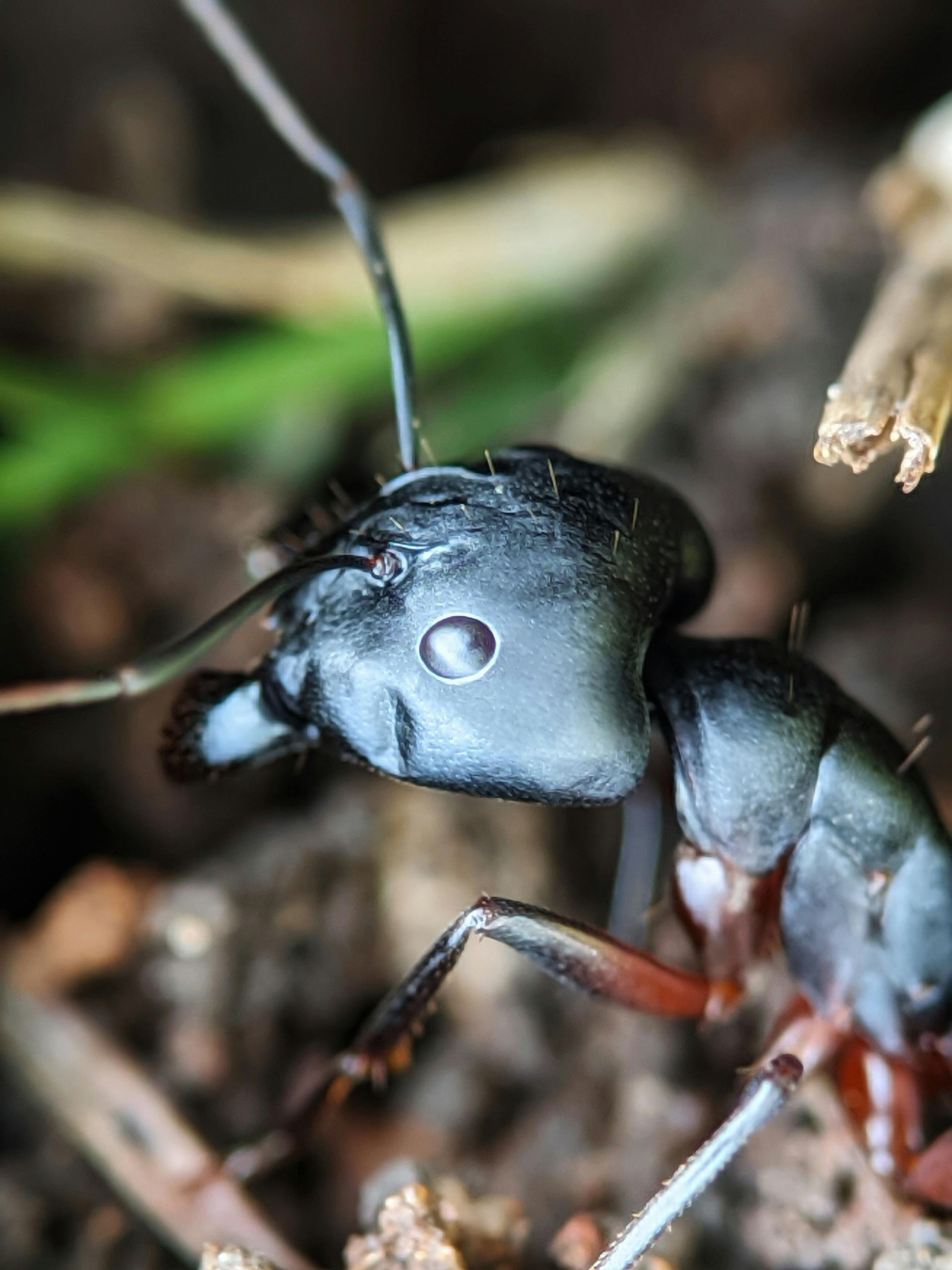
- Ant infestations in kitchens, patios, and foundations
- Rodents entering structures for warmth and food
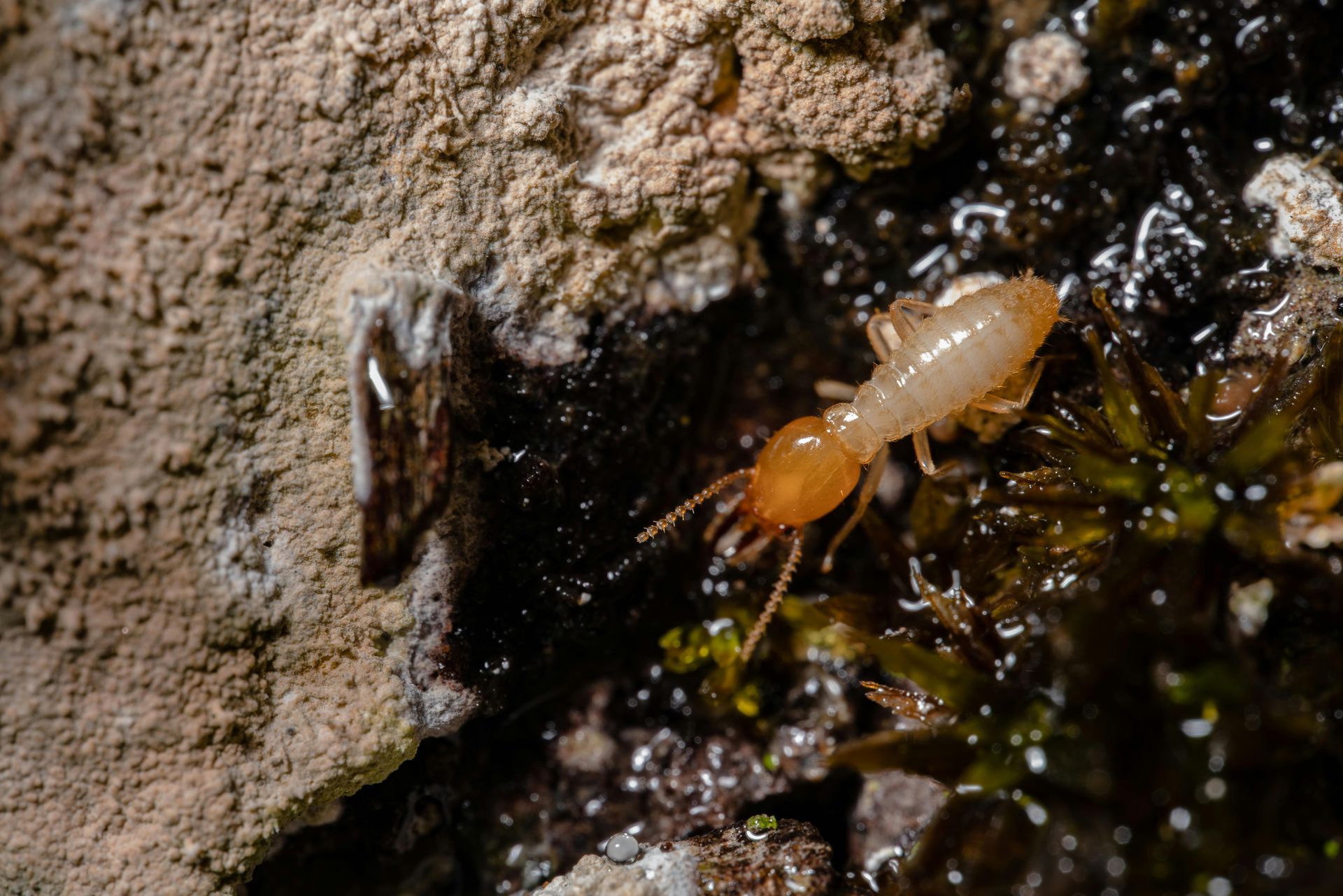
- Termites affecting wood structures and foundations
- Mosquitoes breeding in standing water
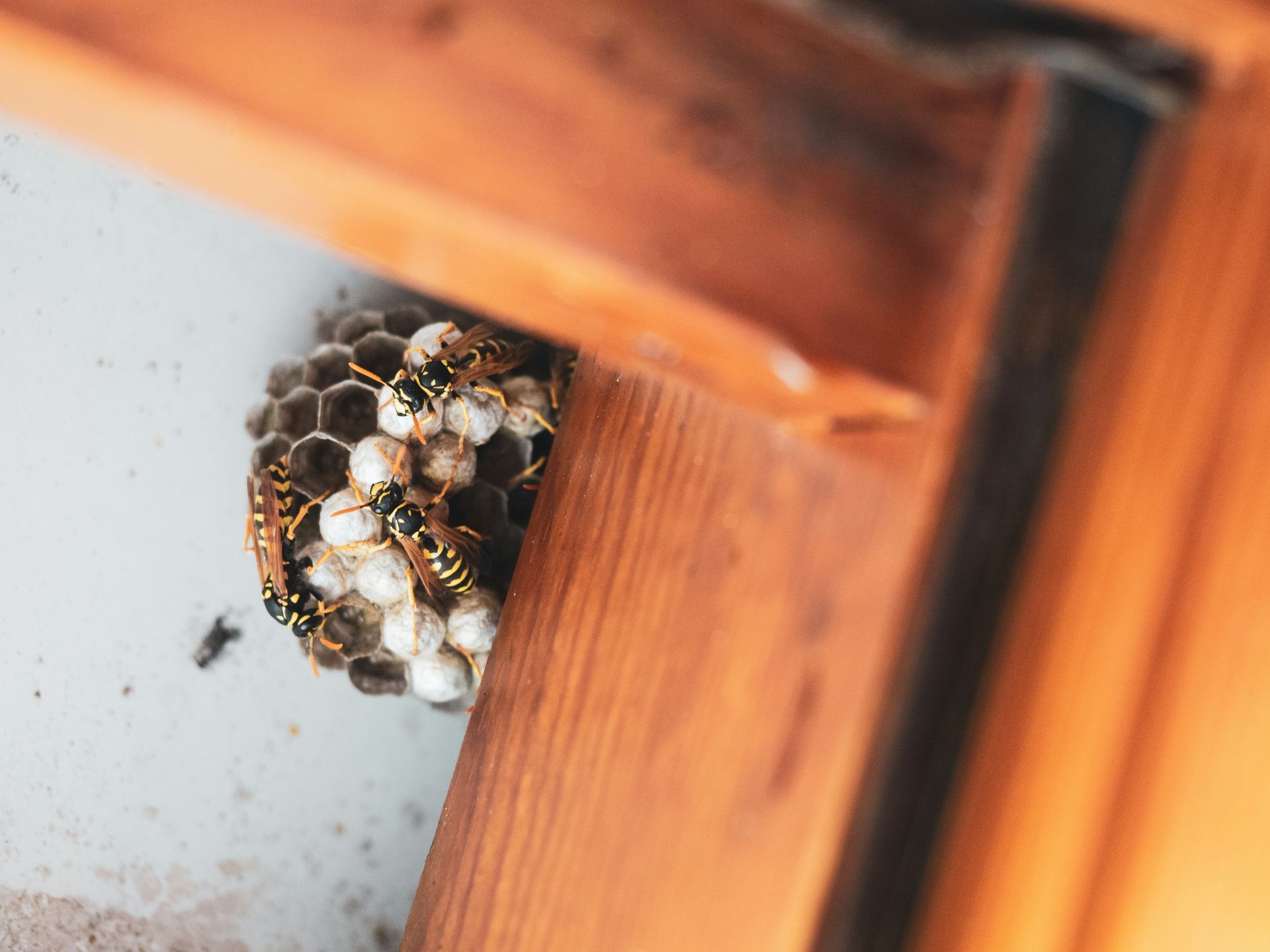
- Wasps and bees nesting near entryways and roofs
A smarter approach begins with recognizing that each property has unique risk factors. Factors such as landscaping, building materials, moisture levels, and usage patterns all influence pest activity.
What Smarter Pest Control Really Means
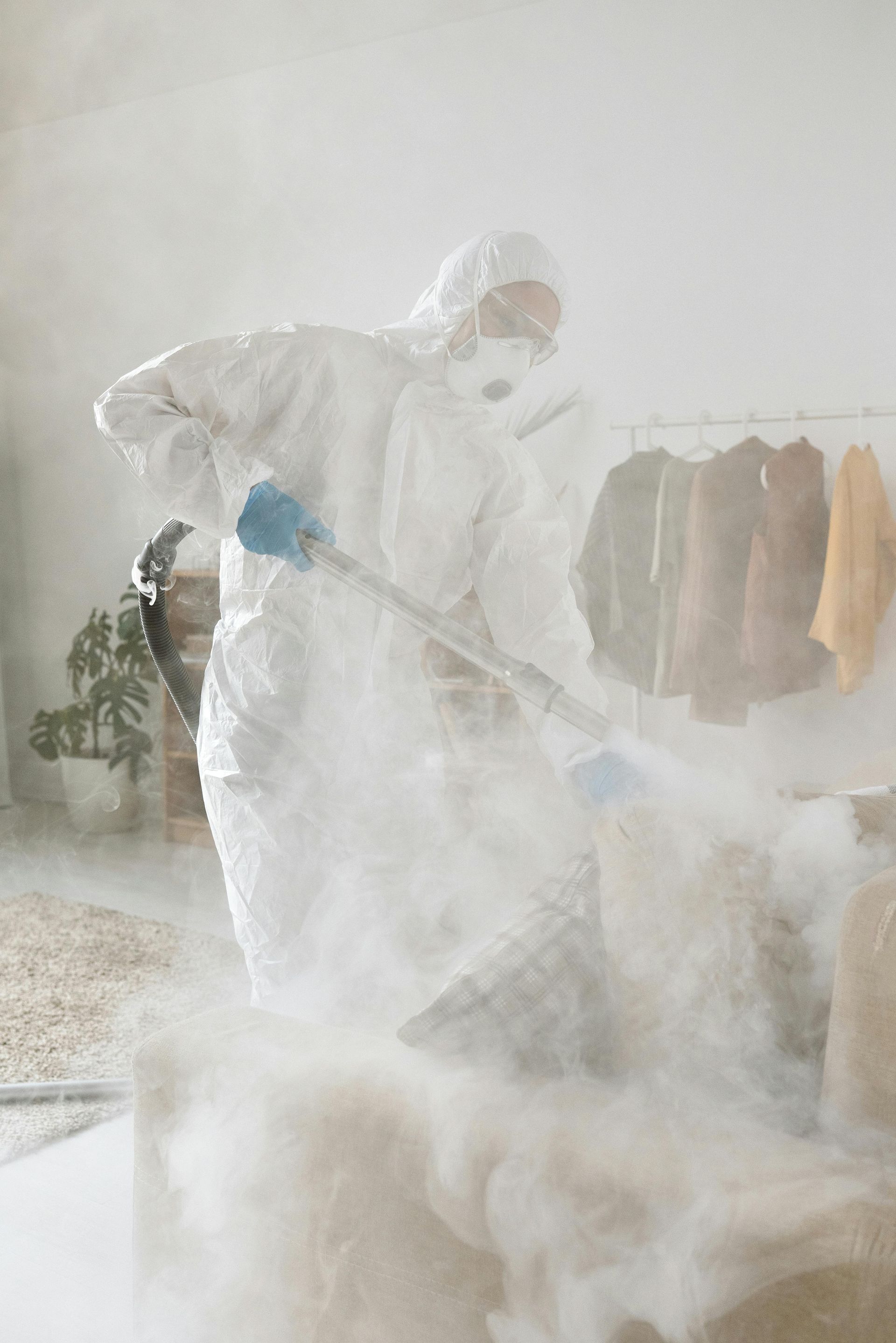
Smarter pest control moves beyond routine spraying or one size fits all treatments. It involves thoughtful planning and informed decision making that prioritizes effectiveness and sustainability. This approach is often referred to as integrated pest management, which focuses on reducing pest pressure through multiple coordinated strategies.
Key principles of smarter pest control include:
- Accurate identification of pests
- Understanding pest behavior and entry points
- Using targeted treatments instead of broad applications
- Reducing conditions that attract pests
- Monitoring results and adjusting strategies as needed
By addressing the root causes of infestations, smarter pest control helps limit repeated issues and supports healthier indoor and outdoor environments.
Residential Pest Control Considerations
Homes in Monmouth County vary widely, from coastal houses to suburban developments and rural properties. Each setting presents different pest risks. Residential pest control must balance effectiveness with the safety and comfort of occupants.
Common Residential Pests
Homeowners frequently encounter pests such as:
- Ants and cockroaches
- Mice and rats
- Termites and carpenter ants
- Spiders and silverfish
- Seasonal invaders like stink bugs
Smarter residential pest control focuses on sealing entry points, managing moisture, and maintaining clean living spaces. Regular inspections help detect early signs of pest activity before problems escalate.
Preventive Strategies for Homeowners
Preventive measures can play a significant role in reducing pest activity. These include:
- Sealing cracks around doors, windows, and foundations
- Proper food storage and waste management
- Reducing clutter in basements and garages
- Maintaining landscaping away from structures
When combined with professional guidance, these steps support long term pest management.
Commercial Pest Control Needs
Businesses in Monmouth County face unique pest control challenges due to customer traffic, storage areas, and operational demands. Restaurants, offices, retail stores, and warehouses all require customized solutions that align with industry standards and daily operations.
Why Commercial Properties Need Tailored Plans
Commercial pest control plans often focus on:
- Minimizing disruptions to operations
- Protecting brand reputation
- Supporting cleanliness and sanitation standards
- Addressing industry specific risks
A smarter approach involves scheduled inspections, documentation, and ongoing monitoring to maintain consistent pest control efforts.
Industries with Higher Pest Risks
Certain industries may experience increased pest pressures, including:
- Food service and hospitality
- Healthcare facilities
- Retail and grocery stores
- Property management and real estate
Targeted strategies help address these risks while supporting compliance and operational efficiency.
Seasonal Pest Activity in Monmouth County
Understanding seasonal pest behavior is essential for effective planning. Different pests become more active at various times of the year, which influences treatment timing and prevention efforts.
| Season | Common Pest Activity | Key Focus Areas |
|---|---|---|
| Spring | Ants, termites, mosquitoes | Inspection and early prevention |
| Summer | Mosquitoes, flies, wasps | Outdoor management and monitoring |
| Fall | Rodents, spiders | Exclusion and sealing entry points |
| Winter | Mice, rats, overwintering insects | Interior monitoring and prevention |
A smarter pest control plan adapts to these seasonal patterns to address issues before they escalate.
The Role of Inspections and Monitoring
Inspections are the foundation of smarter pest control. Regular assessments help identify risk factors, pest activity, and areas that need attention. Monitoring allows property owners and service providers to track trends and adjust strategies over time.
Benefits of inspections and monitoring include:
- Early detection of pest issues
- Reduced need for reactive treatments
- Improved understanding of property vulnerabilities
- Better long term outcomes
This proactive approach supports more efficient and informed pest management decisions.
Balancing Prevention and Treatment
Smarter pest control does not rely solely on treatment. Prevention plays an equally important role. By reducing attractants and entry points, properties become less appealing to pests.
Preventive actions may include:
- Addressing moisture issues
- Improving sanitation practices
- Managing landscaping and drainage
- Educating occupants and staff
When treatment is necessary, targeted applications help address specific problems without unnecessary exposure or disruption.
Environmental Awareness in Pest Control
Many property owners are increasingly interested in pest control methods that consider environmental impact. Smarter pest control emphasizes thoughtful use of products and techniques that align with broader property care goals.
This approach may involve:
- Using targeted treatments rather than blanket applications
- Applying products only where needed
- Combining physical barriers and behavioral strategies
Environmental awareness does not mean eliminating pest control efforts. Instead, it focuses on using informed methods that align with long term property maintenance.
Choosing the Right Pest Control Partner
Selecting a pest control provider is an important decision for homeowners and businesses. A smarter approach starts with working with professionals who understand local conditions and prioritize education and communication.
When evaluating pest control services, consider:
- Experience with Monmouth County properties
- Willingness to explain findings and recommendations
- Customized plans rather than generic treatments
- Ongoing support and monitoring options
Clear communication helps ensure that pest control efforts align with property needs and expectations.
Long Term Benefits of a Smarter Pest Control Strategy
Taking a smarter approach to pest control offers benefits beyond immediate relief. Over time, proactive planning and targeted strategies can help reduce recurring issues and support consistent property care.
Long term advantages may include:
- Fewer emergency pest situations
- Improved comfort and usability of spaces
- Better protection of structures and materials
- Increased confidence in property maintenance plans
By focusing on prevention and education, property owners can feel more prepared to manage pest challenges.
Frequently Asked Questions
What pests are most common in Monmouth County?
Ants, rodents, termites, mosquitoes, and stinging insects are among the most commonly reported pests in the area.
How often should pest control services be scheduled?
Service frequency depends on property type, pest pressure, and seasonal activity. Many properties benefit from regular inspections and preventive treatments.
Is preventive pest control necessary if there is no visible issue?
Preventive pest control can help identify risk factors early and reduce the likelihood of future infestations.
Do homes and businesses need different pest control plans?
Yes. Residential and commercial properties often face different risks and operational considerations, requiring tailored approaches.
Can pest control help protect property value?
Effective pest management supports property maintenance by reducing the risk of damage from pests such as termites and rodents.
Final Thoughts
Pest control in Monmouth County is most effective when it is thoughtful, proactive, and tailored to local conditions. A smarter approach emphasizes understanding pests, addressing root causes, and adapting strategies over time. Whether for a family home or a busy commercial property, informed
pest control planning supports healthier environments and long-term peace of mind.
If you are looking for a smarter approach to pest control in Monmouth County, consider working with professionals who prioritize education, prevention, and customized solutions.
Reference:
https://www.bugs.com/blog/diy-vs-professional-ant-control/
Share this article