Agile Pest Control: Fast, Safe Solutions for Busy Homes
Modern households face increasing demands from work schedules, school activities, travel commitments, and daily home responsibilities, leaving little time to address emerging pest problems before they escalate into major issues. Families rightly expect pest control solutions that prioritize safety for children and pets, deliver quick results, and cause minimal disruption to packed routines, yet traditional services often involve lengthy appointments, rigid scheduling, and broad chemical applications that force homeowners to vacate premises for hours or days.
Agile pest control emerges as a responsive alternative, emphasizing timely interventions, targeted treatments customized to specific pest behaviors and home layouts, and flexible service models that adapt to real-life constraints rather than imposing them. This philosophy draws from efficient project management principles, applying them to pest management by streamlining inspections, focusing resources on high-impact areas, and providing ongoing digital updates that keep homeowners informed without requiring constant involvement.
As urban living intensifies and pest pressures rise with climate shifts and denser populations, agile approaches gain traction by balancing speed, precision, and family-friendly safety protocols. This comprehensive guide delves into the core elements of agile pest control, its practical applications across common household pests, and strategies for integrating it into prevention routines, empowering busy homeowners to reclaim control over their living spaces swiftly and sustainably.
Key Takeaways
- Agile pest control prioritizes fast response times and efficient, targeted treatment methods tailored to specific infestations.
- Flexible scheduling options accommodate unpredictable household routines, including evenings and weekends for minimal disruption.
- Safety remains central, with low-impact products and precise applications protecting families, pets, and indoor air quality.
- Technology enables digital booking, real-time updates, and data-driven predictions for proactive pest management.
- Integrated prevention combines treatments with homeowner tips for long-term results without frequent service calls.
- Clear, ongoing communication builds trust, ensuring homeowners understand processes and expected outcomes every step.
What Is Agile Pest Control
Defining an Agile Approach to Pest Management
Agile pest control represents a service philosophy rather than a rigid product line or single technique, centering on responsiveness, adaptability, and precision to meet the unique demands of each household. Providers assess pest types, activity patterns, entry points, and environmental factors during brief initial evaluations, then customize strategies that avoid one-size-fits-all sprays in favor of pinpointed gels, baits, or barriers placed only where needed.
This method values homeowner input on schedules and sensitivities, adjusting plans in real time—for instance, opting for exterior-only treatments during school hours or pet-free windows. Efficiency stems from technician expertise honed through ongoing training and site-specific data, allowing services to complete in under an hour for many routine issues while upholding thoroughness comparable to longer traditional visits. By minimizing waste in time, materials, and exposure, agile control not only resolves immediate concerns but also equips families with actionable insights for self-maintenance between visits.
Why Agile Pest Control Is Gaining Popularity
The surge in dual-income households, remote work setups, and family logistics has amplified demand for pest solutions that integrate seamlessly into daily life, prompting agile methods to fill gaps left by conventional quarterly spraying schedules that overlook urgent one-off invasions. Homeowners appreciate shorter service windows that eliminate the need for full-day clearances, alongside guarantees of residue-free re-entry within minutes for most treatments. Evolving regulations favoring eco-conscious products align perfectly with agile's targeted ethos, reducing chemical footprints while delivering superior efficacy against resilient pests.
Testimonials from satisfied clients highlight reduced recurrence rates and stress-free experiences, as agile services often include post-treatment apps for progress tracking and predictive alerts based on local pest seasons. For growing suburbs where homes blend with natural pest habitats, this adaptability proves invaluable, turning potential ordeals into quick resolutions.
Common Pest Challenges in Busy Homes
Time-Sensitive Pest Issues
Pests like ants, rodents, and cockroaches exploit brief lapses in vigilance, multiplying rapidly in kitchens left unattended amid meal prep rushes or garages cluttered with seasonal gear; agile control counters this by offering same-day or next-morning responses for confirmed sightings, deploying scouts to map trails or droppings before full colonies establish. Delays in standard services allow infestations to infiltrate multiple rooms, complicating eradication and raising health risks from allergens or contaminants, whereas agile's emphasis on early intervention—often via phone triage and rapid deployment—nips problems in the bud, saving hours of cleanup and preventing spread to sensitive areas like bedrooms or playrooms.
Limited Availability for Long Appointments
Conventional pest visits demanding 2-4 hour blocks clash with carpools, Zoom calls, and dinner rushes, forcing rescheduling that lets pests thrive unchecked; agile providers counter with 30-60 minute slots, virtual pre-inspections via uploaded photos, and no-prep protocols where technicians handle all setup and cleanup. This respects the realities of shift workers, homeschooling parents, and frequent travelers, ensuring treatments occur during natural absences like trash days or dog walks without mandating elaborate preparations.
How Agile Pest Control Prioritizes Speed
Streamlined Inspections and Assessments
Experienced technicians leverage focused protocols, scanning high-risk zones like baseboards, vents, and exteriors with UV lights and thermal sensors to pinpoint activity in minutes, bypassing exhaustive room-by-room sweeps unless warranted. Data from prior local calls refines these assessments, predicting nest locations based on weather-driven surges, so evaluations yield actionable plans without prolonged onsite time.
Targeted Treatment Techniques
Precision tools like bait stations, micro-injectors, and perimeter gels deliver actives directly to pest pathways, eschewing foggers that permeate entire homes unnecessarily; this slashes application time to 15-20 minutes while enhancing kill rates through colony-sharing mechanics, where foragers transport toxins back to queens and larvae.
Safety Considerations for Busy Households
Minimizing Exposure for Families and Pets
Low-volatility formulas dry quickly with negligible odors, allowing immediate re-occupancy, while placement prioritizes inaccessible spots like wall voids over countertops; pre-service questionnaires flag allergies or pet breeds for customized product swaps, such as botanical alternatives. Post-treatment guides detail safe zones, fostering confidence amid daily chaos.
Following Best Practices and Guidelines
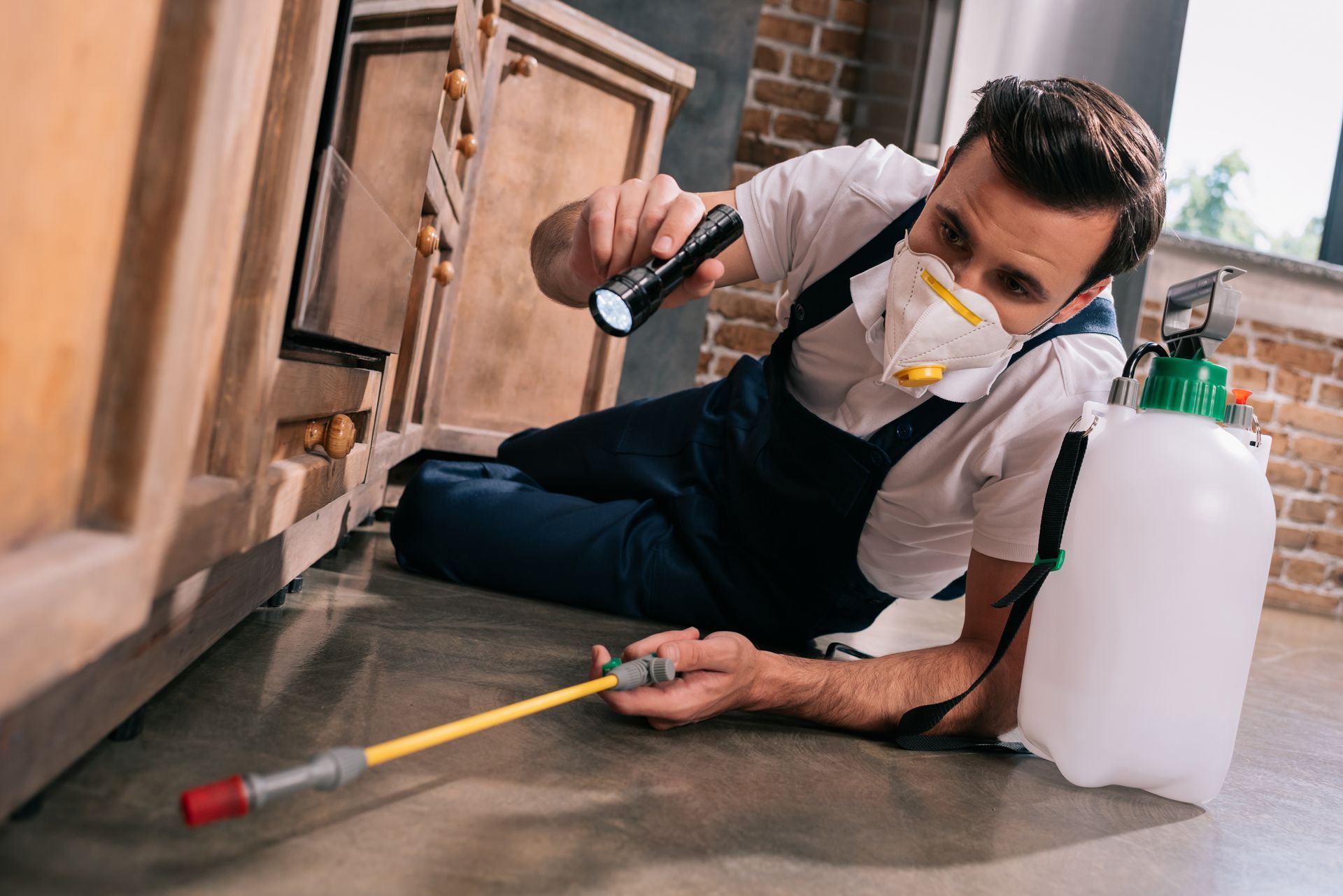
Adherence to EPA and state protocols ensures measured applications, with techs donning PPE and ventilating as needed; agile's efficiency amplifies safety by limiting material use, reducing drift risks compared to blanket sprays.
Flexible Scheduling and Service Options
Adapting to Homeowner Availability
Options span dawn patrols, lunch-hour express visits, after-dinner slots, and even subscription alerts for vacant vacation homes; automated texts confirm windows and reroute for no-shows, minimizing coordination hassles.
Reducing Disruption to Daily Routines
Treatments conclude with wiped surfaces and secured stations, so laundry runs or kid snacks resume uninterrupted; virtual follow-ups via apps replace drive-bys.
The Role of Technology in Agile Pest Control
Digital Scheduling and Communication
Apps enable instant bookings, live tech tracking, and photo-verified reports, syncing with calendars for seamless integration into family hubs.
Data-Driven Pest Management
Seasonal analytics forecast surges—like spring ant booms—triggering preemptive tips, refining routes for faster dispatches.
Integrated Pest Management and Agile Practices
Combining Prevention and Treatment
Exclusion seals, sanitation audits, and habitat tweaks form treatment backbones, extending intervals between services.
Monitoring and Adjusting Strategies
Remote sensors or app check-ins adapt plans dynamically to weather or behavior shifts.
Common Pests Addressed With Agile Pest Control
Ants and Crawling Insects
Trail-mapping gels disrupt foraging hubs swiftly during peak activity windows.
Rodents
Snap-free enclosures and exclusion audits target without poisons in kid zones.
Occasional Invaders
Barrier sprays handle seasonal spiders or centipedes sans interior drama.
Comparing Agile Pest Control to Traditional Approaches
| Feature | Agile Pest Control | Traditional Pest Control |
|---|---|---|
| Response Time | Same/next day | Weeks out |
| Treatment Scope | Targeted, precise | Broad sprays |
| Scheduling | Flexible, short windows | Fixed, multi-hour |
| Disruption Level | Minimal | High |
| Communication | Digital, real-time | Periodic calls |
Preventive Strategies for Long-Term Results
Reducing Entry Points
Door sweeps, caulk audits, and screen repairs block highways; quarterly virtual checks sustain barriers.
Managing Food and Moisture Sources
Sealed bins and dehumidifiers starve attractions; app reminders enforce habits.
Working With an Agile Pest Control Provider
What to Expect During Service
Quick intros, focused work, and debriefs with photos and timelines build rapport.
Supporting Ongoing Protection
Homeowner logs feed adaptive plans for sustained vigilance.
Frequently Asked Questions
Is agile pest control suitable for all homes?
It excels for busy setups but scales for rentals or estates via customized scopes.
Does fast service mean less effective treatment?
Efficiency amplifies impact through precision, not cuts.
Are treatments safe for children and pets?
Yes, with vetted products and placement strategies.
How often is service needed?
Quarterly for most, with alerts as required.
Can agile pest control prevent future infestations?
Prevention integration minimizes callbacks effectively.
Final Thoughts
Agile pest control redefines convenience for today’s hectic households by delivering fast, safety-conscious solutions that fit seamlessly into busy lifestyles. Rather than relying on rigid treatment schedules or one-size-fits-all approaches, agile pest control adapts to the specific needs of each home, addressing pest issues efficiently while minimizing disruption to daily routines. This flexibility allows treatments to be scheduled around work, school, and family commitments, making pest management far less stressful for homeowners.
By combining targeted treatment methods with thoughtful planning, agile pest control prioritizes safety for residents, pets, and the surrounding environment. Modern tools, data-driven inspections, and strategic applications help focus treatments only where they are needed, reducing unnecessary exposure and improving overall effectiveness.
Facing pests amid a packed calendar? Agile pest control streamlines relief! Schedule your fast, safe assessment today for uninterrupted home harmony.
Reference:
https://www.bugs.com/blog/diy-vs-professional-ant-control/
Share this article