Groundhog (Woodchuck) Removal in Monmouth County, NJ
Groundhogs — also called woodchucks — are burrowing rodents that dig extensive tunnel systems, often choosing the spot under a shed, deck, or patio for the overhead cover it provides. Groundhog removal in Monmouth County, NJ isn't just about getting the animal to leave; a burrow left in place under a structure can keep causing problems long after the groundhog is gone, from erosion to shifting pavers. Monmouth Pest Control handles the full process — trapping, barrier installation, and filling the old burrow so it doesn't become someone else's home next season.

How to Tell You Have Groundhogs
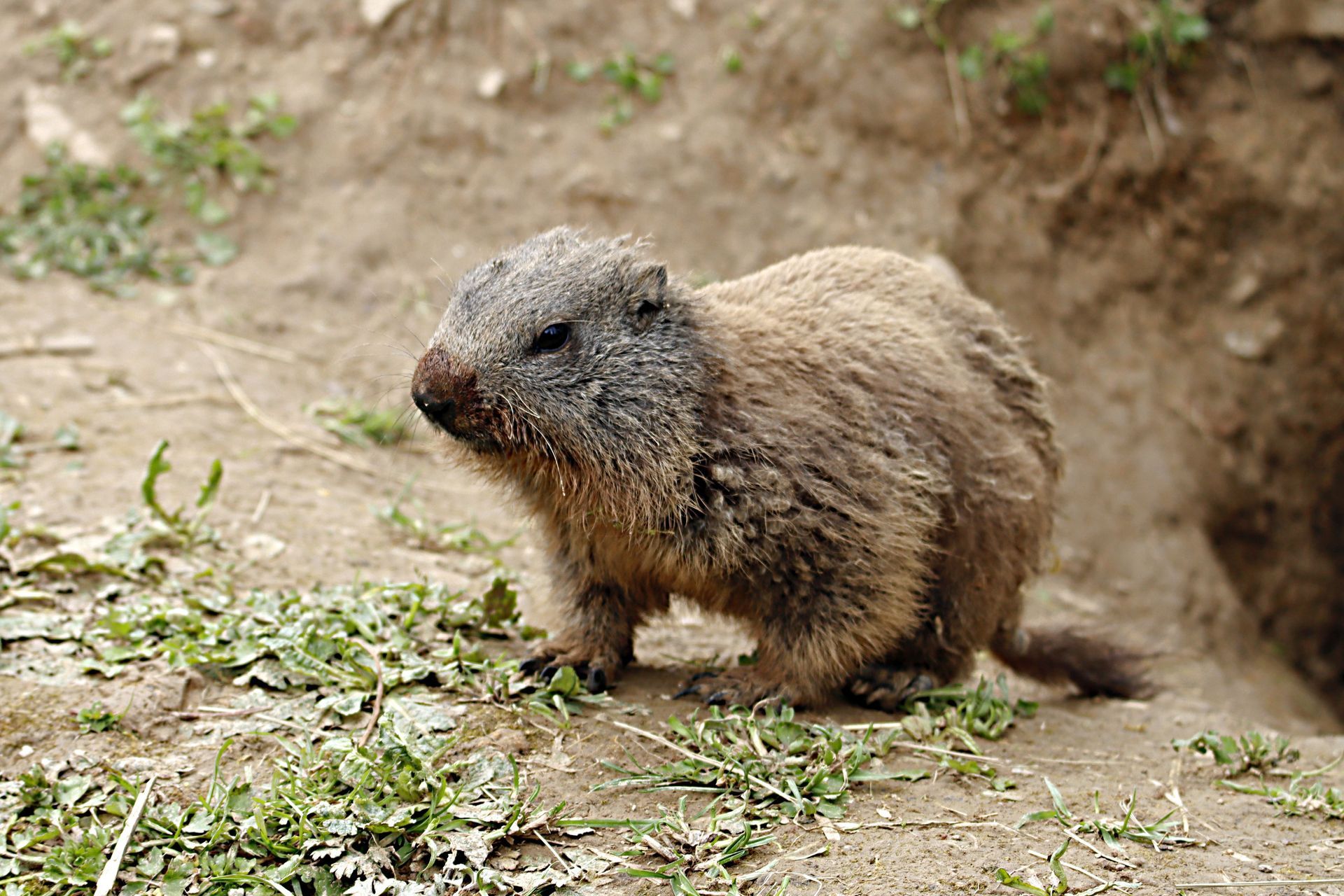
Groundhog burrows are usually easier to spot than the animal itself, since groundhogs are most active at dawn and dusk. The clearest sign is a large burrow hole, typically ten to twelve inches across, near a shed, deck, patio, or foundation. Garden damage is another common giveaway — groundhogs have hearty appetites for vegetables, beans, and leafy plants, and can strip a garden bed in a short window. Fresh mounds of loose dirt near a hole indicate active digging, and walkways or pavers that have started to sag or shift can point to a burrow tunneling underneath.
Signs to watch for:
- Large burrow holes near sheds, decks, or foundations
- Eaten garden plants
- Mounds of fresh dirt
- Sagging walkways
Call (732) 778-7668 for groundhog (woodchuck) removal in Monmouth County.
The Structural Risk of Burrows Under Sheds and Decks
Groundhog burrows can extend for many feet underground, with multiple entrances and connected chambers. When that digging happens directly under a shed, deck, or section of foundation, it removes the compacted soil those structures depend on for support — which is why groundhogs are drawn to areas that offer stable overhead cover in the first place.
As the burrow expands, water often finds a new path along the tunnel instead of draining away normally, which accelerates soil erosion under the structure over time. Left unaddressed, this kind of undermining can lead to settling, sagging, or shifting in decks, sheds, patios, and — in more serious cases — foundations.
How We Trap and Remove Them
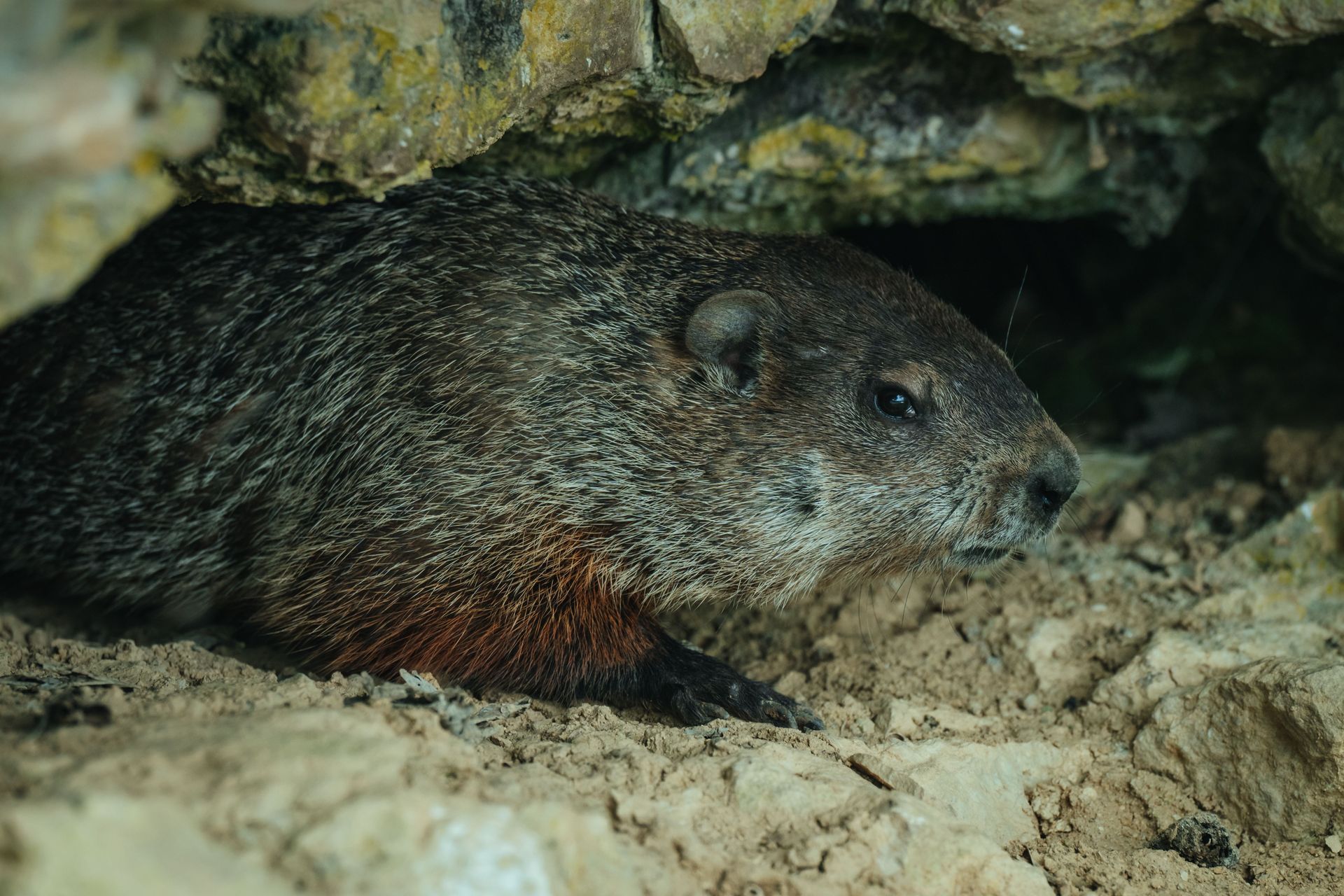
Groundhog trapping uses humane cage traps placed at active burrow entrances, typically baited to draw the animal out rather than forcing entry into the burrow itself. We monitor traps regularly and remove the groundhog once caught, following New Jersey wildlife handling regulations. Because groundhogs can maintain more than one burrow system on a property, we also check for secondary burrows nearby so the job doesn't stop at the first hole found.
Barriers We Install to Stop Re-Digging
An empty burrow is an open invitation to the next groundhog in the area. Once trapping is complete, we install exclusion barriers — buried wire mesh extending down and outward from the burrow entrance — designed to stop re-digging at that same location. For gardens and planting beds that have been a repeat target, we can also recommend barrier placement around the perimeter to reduce future digging pressure.
Filling and Grading the Old Burrows
An abandoned burrow doesn't resolve itself — the void underground remains even after the entrance is filled at the surface. We backfill accessible tunnel sections and grade the surface soil so water drains away from structures rather than pooling or channeling into the old burrow path. For burrows that have run under a deck, shed, or walkway, this step is what actually stops the erosion problem rather than just closing the visible hole. If squirrels, raccoons, or birds are also using attic entry points on the same property, our full
attic cleanup,
attic restoration, and
wildlife removal services address those separately during the same visit.
Woodchuck in Your Attic Right Now?
Call us for groundhog removal in Monmouth County.
Contact Our Exterminators!
Why Monmouth County Homeowners Trust Us
- 50+ years of combined pest control experience serving Monmouth and Ocean County
- Licensed and insured for wildlife trapping and exclusion work in New Jersey
- Owner-led service: Roger and his team handle your job directly, not a subcontractor
- Clear Communication: We explain the problem and the plan before any work begins.
Groundhog Removal FAQs
How do I know if it's a groundhog and not another animal digging under my shed?
Groundhog holes are distinctively large — typically 10 to 12 inches across — with a mound of fresh dirt at the main entrance, unlike the smaller, less obvious holes left by rabbits or moles. Our wildlife removal services team can confirm the species during an inspection.
Can a groundhog burrow really damage my foundation?
It's a real risk if the burrow runs close to or under a structure. As the tunnel removes supporting soil and redirects water flow, it can gradually undermine decks, sheds, patios, and in more serious cases, foundations — the damage is usually slow to appear, which is why early removal matters.
Is it legal to trap a groundhog myself in New Jersey?
Groundhog trapping is regulated, and improperly set traps can injure the animal or fail to resolve the burrow problem. Licensed technicians follow state wildlife handling guidelines for trapping and release.
Will filling the hole get rid of the groundhog problem?
Not on its own. Filling only the visible entrance leaves the rest of the tunnel system intact, and an active groundhog will often just re-dig the same or a nearby opening. Trapping, barrier installation, and full backfilling all need to happen together.
Will another groundhog just move into the empty burrow?
It can happen, since an existing tunnel is easier to reuse than digging a new one. That's why we install barriers at the entrance and backfill the tunnel rather than just removing the animal.
Do you handle squirrels or other wildlife, too, if I have more than one problem?
Yes — if you're also dealing with squirrels, bats, raccoons, or birds using attic entry points, our wildlife removal services and attic cleanup and restoration cover those separately during the same visit.
How much does groundhog removal cost in Monmouth County?
Cost depends on the number of burrows, their location relative to structures, and whether barrier installation is needed. Schedule an inspection and we'll provide an exact quote before work begins.
How do I schedule groundhog removal?
Call (732) 778-7668 to schedule an inspection for your address in Monmouth or Ocean County.
Need groundhog removal in Monmouth County?
Contact us for a free estimate or call us!
