Early Signs of Termites: What Homeowners Should Watch For
Termites are among the most destructive pests affecting homes across the United States. Often referred to as silent invaders, they can cause extensive damage before homeowners realize there is a problem. Because termite activity is usually hidden within walls, floors, or foundations, early detection plays a critical role in limiting potential damage.
Understanding the early signs of termites helps homeowners take timely action. While
spotting termites does not always mean severe damage has already occurred, recognizing warning signs can help prevent small issues from developing into major repairs. This guide explains what termites are, how they behave, and the most common indicators homeowners should watch for throughout their property.
Key Takeaways
- Termites often remain hidden, making early signs easy to overlook
- Mud tubes, damaged wood, and discarded wings are common warning signs
- Moisture and wood-to-soil contact can increase termite risk
- Regular inspections help identify issues before visible damage occurs
- Not all wood damage is caused by termites, but the signs should be evaluated
- Early detection supports better treatment options and planning
Understanding Termites and Their Behavior
What Are Termites
Termites are social insects that live in colonies and feed on cellulose found in wood and other plant materials. Their role in nature is to break down dead organic matter, but when they enter homes, they may target structural components.
Different species exist across the country, and their behavior varies slightly depending on the environment and climate.
How Termites Enter Homes
Termites often access structures through cracks in foundations, gaps around utility lines, or areas where wood comes into contact with soil. Some species build shelter tubes that allow them to travel while staying protected from light and dry air.
Once inside, termites may establish colonies that grow gradually over time.
Why Early Detection Matters
The Hidden Nature of Termite Damage
Termites typically consume wood from the inside out. This means damage may progress unnoticed behind walls, beneath floors, or within support beams.
By the time visible signs appear, activity may have been ongoing for months or even years.
Benefits of Identifying Issues Early
Early detection allows homeowners to explore treatment options before damage becomes extensive. It also provides an opportunity to address contributing conditions such as moisture or structural gaps.
Proactive attention helps reduce long-term repair costs and disruption.
Mud Tubes Along Foundations and Walls
What Mud Tubes Look Like
Mud tubes are narrow tunnels made of soil, saliva, and wood particles. They are often found along foundation walls, crawl spaces, or other surfaces connecting the ground to the structure.
These tubes help termites travel while retaining moisture and protection.
Why Mud Tubes Are a Warning Sign
The presence of mud tubes often indicates active termite movement between soil and wood. Even if tubes appear dry or abandoned, they should not be ignored.
Inspection can help determine whether activity is ongoing or has occurred in the past.
Wood Damage That Appears Unusual
Hollow or Soft Sounding Wood
Wood affected by termites may sound hollow when tapped. This occurs because termites eat along the grain, leaving thin layers on the surface.
Doors, window frames, baseboards, and floorboards are common areas where this damage may be noticed.
Visible Grooves or Blistered Surfaces
In some cases, paint or wood surfaces may blister or warp due to internal damage. These changes can resemble water damage, making identification challenging.
When combined with other signs, unusual wood appearance may warrant further evaluation.
Discarded Wings Near Windows and Doors
Swarmers and Reproductive Termites
At certain times of the year, termite colonies produce winged reproductive termites called swarmers. These termites leave the colony to establish new ones.
After swarming, wings are often shed near windowsills, doorways, or light sources.
What Finding Wings May Indicate
Discarded wings indoors may suggest nearby termite activity. While a single wing does not confirm an infestation, clusters or repeated sightings can be a sign worth investigating.
Swarming activity often occurs during warmer months.
Tight-Fitting Doors and Windows
Structural Changes Caused by Termites
As termites damage wood, affected areas may warp or weaken. This can lead to doors and windows becoming difficult to open or close.
Humidity and moisture can contribute to similar symptoms, which is why context matters.
When to Pay Closer Attention
If sticking doors or windows appear alongside other signs such as mud tubes or wood damage, termites may be a contributing factor.
Professional inspection can help clarify the cause.
Small Piles of Frass or Debris
What Is Frass
Frass is a term used to describe debris produced by certain pests. In the case of termites, drywood species may push out
small pellets from their nesting areas.
These pellets may accumulate near baseboards or wood surfaces.
Distinguishing Frass From Other Debris
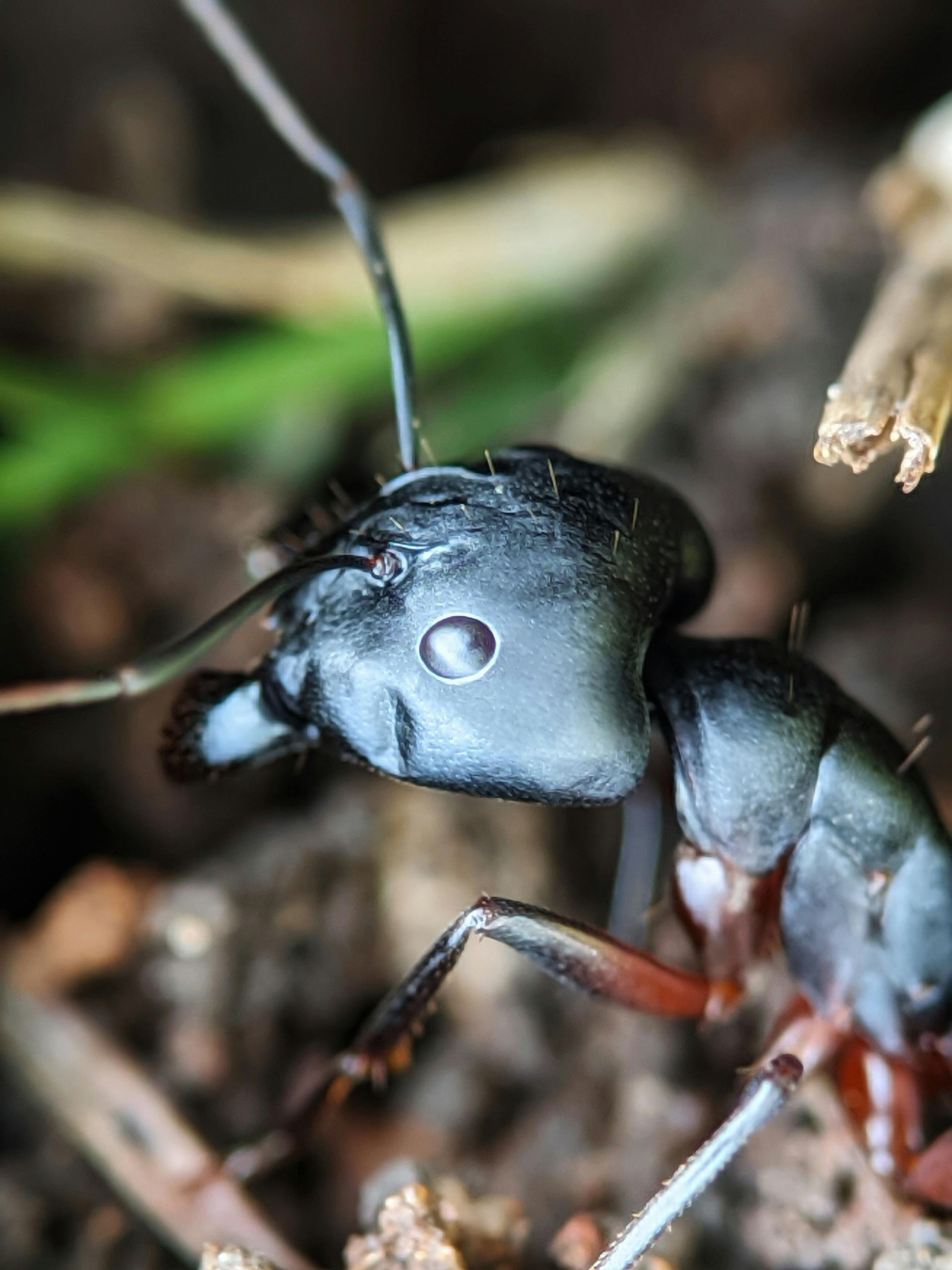
Frass often resembles fine grains or sawdust. However, carpenter ants and other insects may leave similar material.
Identifying the source requires careful examination.
Termite Activity in Crawl Spaces and Basements
Common Entry Points in Lower Levels
Crawl spaces and basements provide conditions that termites find attractive. These areas often have higher moisture levels and direct soil contact.
Inspecting these spaces regularly can help identify early signs.
What Homeowners Should Look For
Mud tubes, damaged wood supports, and moisture issues are common indicators. Poor ventilation may also increase risk.
Addressing conditions in these areas can help reduce attraction.
Outdoor Warning Signs Around the Property
Wood to Soil Contact
Deck posts, siding, or fence boards that touch the ground create potential access points. Termites can move directly from soil into wood through these connections.
Maintaining clearance between soil and wood helps reduce risk.
Tree Stumps and Mulch Near Structures
Old stumps, firewood piles, and thick mulch can harbor termites. While these do not guarantee indoor activity, they may
increase the likelihood.
Keeping these materials away from the foundation supports prevention efforts.
Conditions That Increase Termite Risk
Moisture and Drainage Issues
Leaks, standing water, and poor drainage create environments termites prefer. Gutters, downspouts, and grading all play a role in moisture management.
Reducing excess moisture helps make structures less appealing.
Structural Vulnerabilities
Cracks in foundations, gaps in siding, and unsealed utility openings provide access points. Regular maintenance helps
reduce entry opportunities.
Preventive repairs can complement inspection efforts.
Common Areas to Monitor Inside the Home
- Baseboards and trim
- Window and door frames
- Attics and crawl spaces
- Utility rooms and laundry areas
- Areas near plumbing fixtures
Monitoring these locations periodically helps increase awareness of changes over time.
Comparing Termite Signs With Other Pest Damage
| Sign | Termites | Carpenter Ants | Moisture Damage |
|---|---|---|---|
| Hollow wood | Common | Possible | Possible |
| Mud tubes | Yes | No | No |
| Discarded wings | Yes | No | No |
| Frass or debris | Sometimes | Yes | No |
| Moisture association | Often | Often | Yes |
Understanding these differences helps avoid misinterpretation.
When to Consider a Professional Inspection
Why Visual Checks Have Limits
While homeowners can spot surface-level signs, termites often remain hidden. Professional inspections use experience and tools to assess less visible areas.
Inspections can help confirm or rule out concerns.
Timing and Frequency of Inspections
Many homeowners schedule inspections annually or during high activity seasons. Homes in higher-risk areas may benefit from more frequent checks.
Consistency supports early detection.
Frequently Asked Questions
Can termites be active year round
In many regions, termites remain active throughout the year, especially in climate controlled environments.
Do termites only infest older homes
Termites can infest both new and older homes. Construction materials and conditions play a role.
Is all wood damage caused by termites
No, moisture, fungi, and other insects can also damage wood. Proper identification is important.
Can early signs be mistaken for water damage
Yes, some termite signs resemble moisture related issues. Inspection helps clarify the cause.
Are termites always visible when damage is present
No, termites often remain hidden within wood or soil. Damage may exist without visible insects.
Final Thoughts
Early signs of
termites can be subtle, but awareness helps homeowners take action before damage progresses. By understanding common warning signs and monitoring key areas, homeowners can reduce the risk of long-term structural issues. While not every sign confirms termite activity, paying attention to changes and seeking
professional evaluation when needed supports better home protection.
If you have noticed potential warning signs or want peace of mind, scheduling a professional termite inspection can help clarify your home’s condition. Early evaluation supports informed decisions and helps protect your investment over time.
Reference:
https://www.bugs.com/blog/diy-vs-professional-ant-control/
Share this article