Carpenter Ants Exterminator: DIY vs Professional Help
Carpenter ants are among the most common wood-damaging insects found in homes and commercial buildings. While they do not consume wood like termites, they excavate it to create nesting galleries. Over time, this activity can weaken structural components and create costly repair issues if left unaddressed. When homeowners notice carpenter ants, the first question is often whether the problem can be handled with do-it-yourself methods or if professional help is needed.
Both options have advantages and limitations depending on the size of the infestation, the location of nests, and the condition of the property. This guide explores how carpenter ants behave, common treatment approaches, and how to decide between DIY solutions and hiring a professional carpenter ant exterminator.
Homeowners who understand these differences can take steps that minimize damage, reduce health risks from improper chemical use, and achieve lasting results without unnecessary expenses. Factors like the home's age, surrounding landscape, and existing moisture problems all play a role in determining the best path forward, and early action remains key to preventing minor sightings from turning into major structural concerns that require extensive remediation.
Key Takeaways
- Carpenter ants damage wood by nesting inside it rather than eating it.
- DIY treatments may help with minor or visible activity, but often miss hidden nests.
- Moisture issues frequently contribute to carpenter ant infestations.
- Professional exterminators focus on locating and eliminating nests at the source.
- Long-term prevention often requires both treatment and structural adjustments.
- Choosing the right approach depends on the infestation size and the property conditions.
Understanding Carpenter Ant Behavior
What Makes Carpenter Ants Different From Other Ants
Carpenter ants are typically larger than many household ants and may appear black, red, or a combination of both. Their size and wood nesting behavior set them apart from nuisance ants that simply forage for food indoors. Unlike termites, carpenter ants do not digest wood. Instead, they hollow it out to create smooth tunnels where they live and raise their colonies.
This excavation process produces distinctive frass, a coarse sawdust-like material that serves as a primary clue for homeowners. Colonies can grow to thousands of ants, with winged reproductives emerging in spring to start new nests, which explains sudden increases in indoor sightings during warmer months. Recognizing these traits helps distinguish carpenter ants from similar pests and guides appropriate response strategies.
Where Carpenter Ants Commonly Nest
Carpenter ants prefer moist or damaged wood. Common nesting locations include window frames, door frames, crawl spaces, attics, and areas affected by leaks or condensation. Outdoor nests may also exist in tree stumps, firewood piles, or landscape timbers. These outdoor colonies often serve as a starting point for indoor infestations, with worker ants foraging inside for food and water.
In older homes, nests frequently develop in roof rafters softened by years of minor leaks or in basement joists exposed to high humidity. Understanding these preferences underscores the importance of regular home maintenance, as even small amounts of damp wood can support colony expansion over seasons.
Signs of a Carpenter Ant Infestation
Visual Indicators Inside the Home
Homeowners may notice large ants moving along baseboards, walls, or ceilings. Activity is often more noticeable at night when carpenter ants forage for food. Small piles of sawdust-like material called frass may appear near wood surfaces. This debris is pushed out of nesting galleries and often contains wood shavings and insect parts. Trails of ants leading from cracks to food sources, such as kitchen counters or pet bowls, provide further evidence. Consistent sightings in multiple rooms suggest satellite nests have formed, complicating control efforts and signaling a more established presence.
Structural Clues That Should Not Be Ignored
Hollow-sounding wood, blistered paint, or sagging trim can indicate internal damage. While these signs do not always confirm carpenter ants, they warrant further inspection. Tapping wooden elements with a mallet or listening for faint rustling at night can reveal hidden activity. In advanced cases, visible cracks in drywall or buckling floors point to weakened supports beneath. Early detection plays a key role in limiting damage and treatment complexity, as galleries can extend several feet and involve multiple interconnected colonies that expand without visible surface cues.
The Role of Moisture in Carpenter Ant Problems
Why Moisture Attracts Carpenter Ants
Carpenter ants are drawn to damp wood because it is easier to excavate. Leaky pipes, roof damage, poor ventilation, and condensation can all contribute to moisture buildup. Addressing moisture sources is often just as important as treating the ants themselves. Without correcting these conditions, even successful treatments may prove temporary, as surviving ants or new colonies from nearby sources can reestablish nests. Homeowners should prioritize plumbing checks, attic insulation improvements, and gutter maintenance as foundational steps in any control plan.
Common Moisture Related Risk Areas
Bathrooms, kitchens, basements, and crawl spaces are frequent problem areas. Exterior siding, decks, and window frames exposed to rain may also be vulnerable. Reducing moisture helps make structures less attractive to carpenter ants over time. Installing vapor barriers in crawl spaces, using exhaust fans in humid rooms, and ensuring proper grading around foundations all contribute to a less hospitable environment. Regular seasonal inspections reveal developing issues before they become active.
DIY Carpenter Ant Control Methods
Store Bought Ant Baits and Sprays
DIY solutions often begin with over-the-counter baits or sprays. Baits work by attracting ants and allowing them to carry poison back to the colony. Surface sprays may kill visible ants, but usually do not reach nests hidden inside walls or wood. Gel baits placed along trails encourage foragers to share the toxin, potentially affecting the queen and brood for weeks. Homeowners must resist the urge to clean trails immediately, as pheromones guide more ants to the bait stations.
Sealing Entry Points and Removing Attractants
Homeowners may attempt to seal cracks, remove food sources, and trim vegetation touching the structure. These steps can reduce activity but rarely eliminate an established infestation. Vacuuming frass and ants daily disrupts pheromone trails, while storing sweets in airtight containers limits foraging incentives. Combining these habits with baiting improves outcomes for minor issues, though patience is required for results.
Limitations of DIY Carpenter Ant Treatments
Difficulty Locating the Main Nest
One of the biggest challenges with DIY treatment is finding the primary nest. Carpenter ants often establish satellite nests that make infestations appear smaller than they are. Without eliminating the main colony, activity is likely to continue. Foraging patterns can mislead efforts toward secondary sites, leaving the core population intact and capable of rapid rebound.
Incomplete or Temporary Results
DIY treatments may reduce visible ants for a short period. However, if nests remain active, the problem can return weeks or months later. Repeated DIY attempts may also delay proper treatment, allowing damage to progress. Costs accumulate from repurchases, and frustration grows without resolution, often leading to professional intervention anyway.
When DIY May Be Appropriate
Small and Early Stage Infestations
DIY methods may be helpful when activity is limited and nests are located outdoors. In these cases, removing nests and addressing moisture may reduce the issue. Monitoring is important to ensure activity does not return. Weekly checks for frass or trails allow timely adjustments.
Preventive Measures After Professional Treatment
DIY maintenance such as sealing gaps, managing moisture, and removing attractants can support professional treatments and help prevent reinfestation. These steps work best as part of an ongoing prevention plan. Homeowners gain confidence through simple routines that extend treatment effectiveness.
What a Professional Carpenter Ants Exterminator Does
Inspection and Nest Location
Professional exterminators begin with a detailed inspection to identify nesting sites, entry points, and contributing conditions. Specialized tools and experience help locate hidden nests. Understanding colony structure allows for targeted treatment. Reports often include photos and recommendations for repairs.
Treatment Strategies Used by Professionals
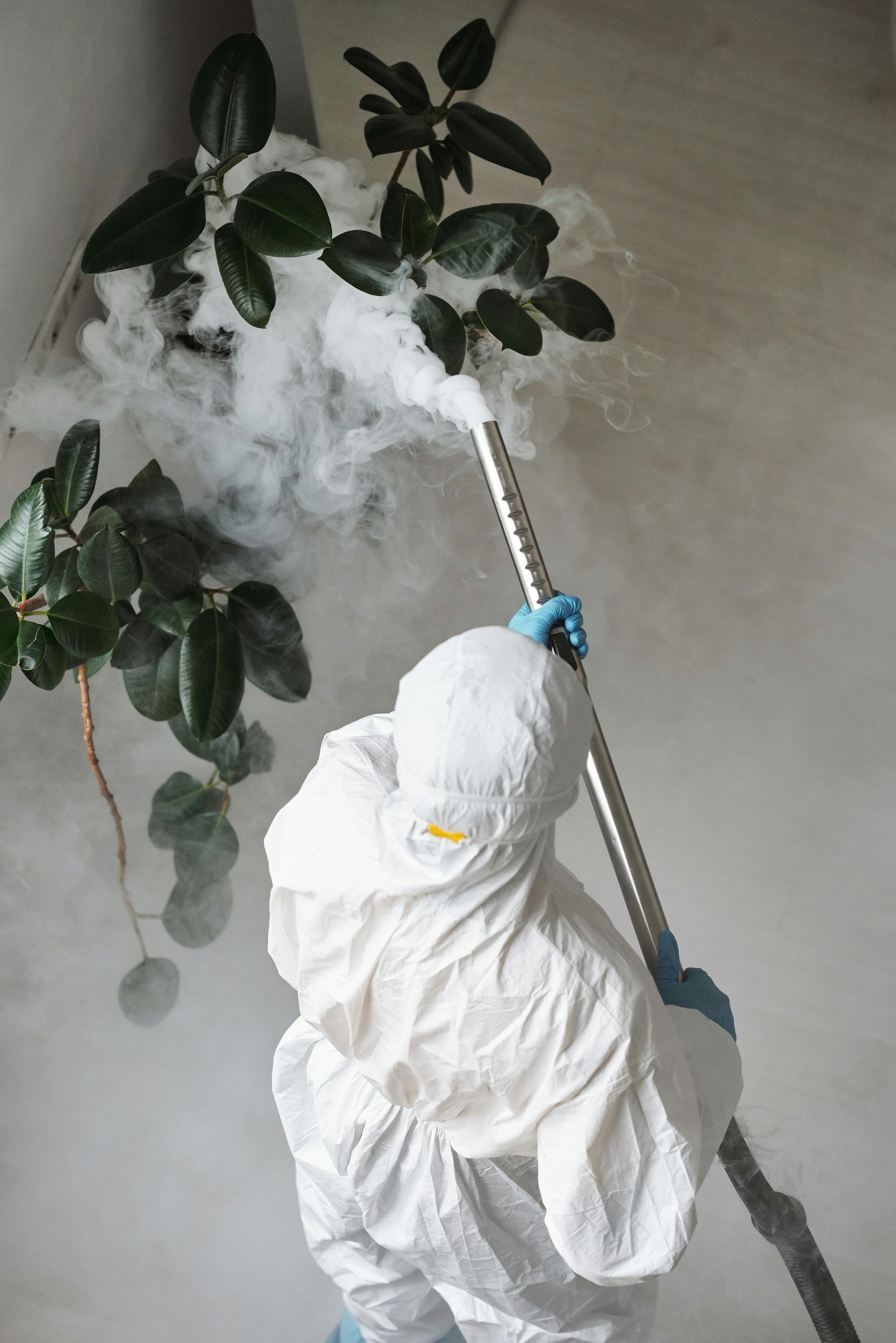
Professionals may use a combination of baits, dusts, and liquid treatments depending on nest location and activity levels. Treatments are selected to reach the colony rather than just surface ants. This approach improves long term effectiveness. Follow up applications address any survivors.
Advantages of Hiring a Professional Exterminator
Addressing the Root Cause
Professional treatment focuses on eliminating nests and reducing conditions that attract carpenter ants. This comprehensive approach reduces the chance of recurring problems. Professionals also provide guidance on moisture control and structural repairs. Written plans outline timelines and expectations.
Reduced Risk of Misapplication
Improper use of pesticides can be ineffective or unsafe. Licensed professionals follow guidelines designed to protect occupants and the environment. Correct application improves results while minimizing risk. Insurance coverage adds peace of mind for homeowners.
Comparing DIY and Professional Approaches
| Factor | DIY Methods | Professional Help |
|---|---|---|
| Nest Location | Often difficult | Specialized inspection |
| Effectiveness | Short term | Long term focused |
| Time Investment | High | Minimal homeowner effort |
| Safety Considerations | Varies | Regulated practices |
| Cost Over Time | May increase | More predictable |
This comparison highlights why many property owners choose professional services for established infestations.
Preventing Carpenter Ant Infestations Long Term
Moisture Management Strategies
Fixing leaks, improving ventilation, and maintaining proper drainage help reduce conditions carpenter ants prefer. Dehumidifiers may be useful in basements and crawl spaces. Annual HVAC servicing prevents hidden humidity buildup.
Structural and Landscaping Adjustments
Replacing damaged wood, sealing gaps, and keeping vegetation away from structures reduces nesting opportunities. Firewood should be stored away from buildings whenever possible. Mulch alternatives like gravel deter ground-level access.
Frequently Asked Questions
Can carpenter ants cause serious structural damage?
Over time, carpenter ants can weaken wood structures by creating extensive galleries. Damage severity depends on how long the infestation remains untreated.
Are carpenter ants active year round?
Activity may decrease during colder
Do carpenter ants mean there is existing wood damage?
Carpenter ants often nest in moist or previously damaged wood, but they can also excavate sound wood if conditions are favorable.
How long does professional treatment usually take?
Treatment time varies depending on infestation size and nest location. Many services begin working shortly after inspection.
Can carpenter ants come back after treatment?
Reinfestation is possible if moisture issues and entry points are not addressed. Ongoing prevention helps reduce this risk.
Final Thoughts
Deciding between DIY methods and hiring a carpenter
ant exterminator depends on the scope of the problem and the condition of the property. While small issues may respond to basic efforts, established
infestations often require professional inspection and treatment to address hidden nests and contributing factors. Understanding the strengths and limitations of each approach helps homeowners make informed decisions and protect their property over time.
A professional evaluation provides insight into the extent of the issue and helps you choose a treatment plan that supports long-term protection. Reach out today for a free inspection.
Reference:
https://www.bugs.com/blog/diy-vs-professional-ant-control/
Share this article